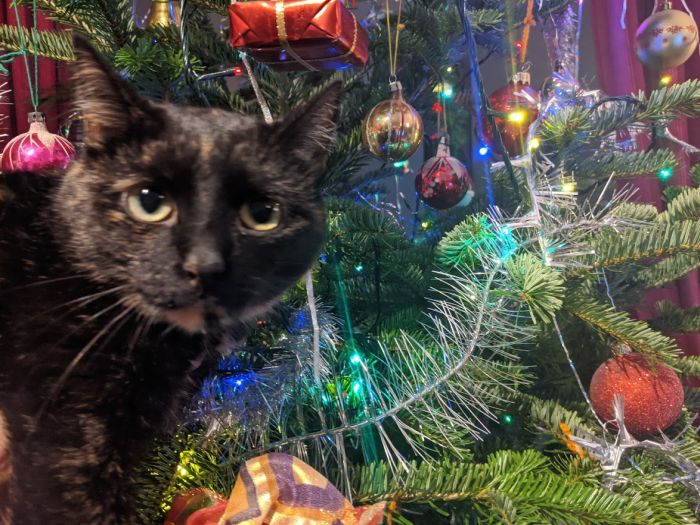
Happy Holidays! May you have a wonderful week.
The photo is of our cat, her name is Mrówka, which is Polish for Ant.
Happy Holidays! May you have a wonderful week.
The photo is of our cat, her name is Mrówka, which is Polish for Ant.
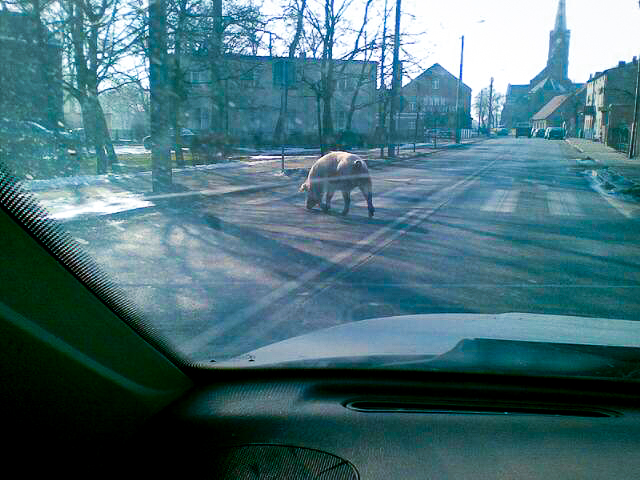
I am packing and going to my Mom for Christmas. She lives in a very tiny town. One time I was there, a runaway pig was on the main road.
That’s it for today 🙂
I started this blog a few weeks ago and, at first, no one read it. Now, that a few people read it, the increase in page views looks promising.
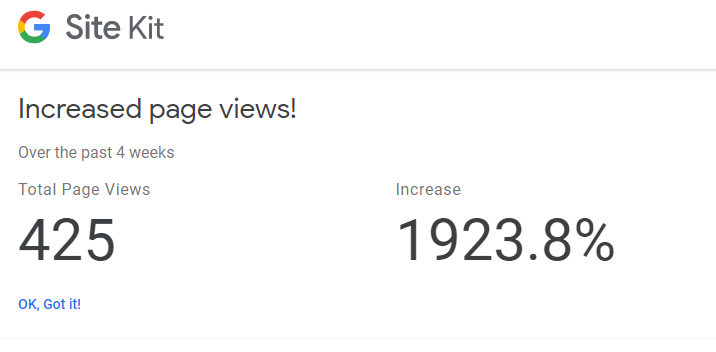
It’s a challenge to stick with something when there’s no feedback, when it seems that no one cares and no one reads what you write. Same with art — in the beginning, when you start drawing or making designs, it’s difficult to get noticed. But, as with everything, you have to be consistent and stick with it for a few weeks or months to see results.
This is a simple trick to have a few more sales. Maybe you know it, but frankly, this trick hasn’t occurred to me until after a few years of designing t-shirts. I’m going to write it down here, in case there’s someone else who hasn’t thought of it.
Some people really don’t want to buy dark t-shirts. And some people won’t buy light t-shirts. Let’s accommodate both those groups.
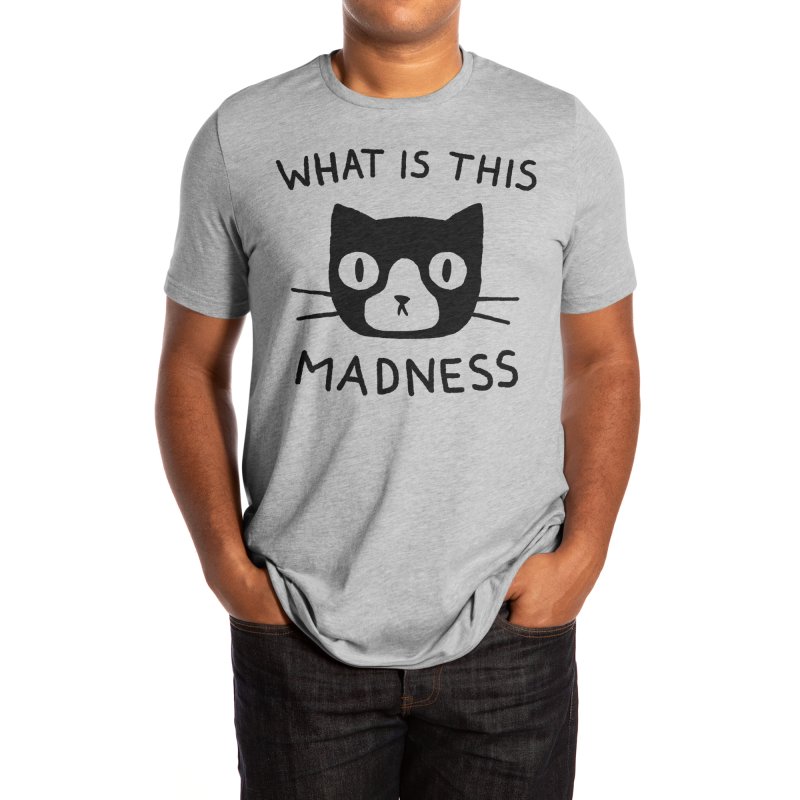
I made a lot of cat designs. This is one of them:
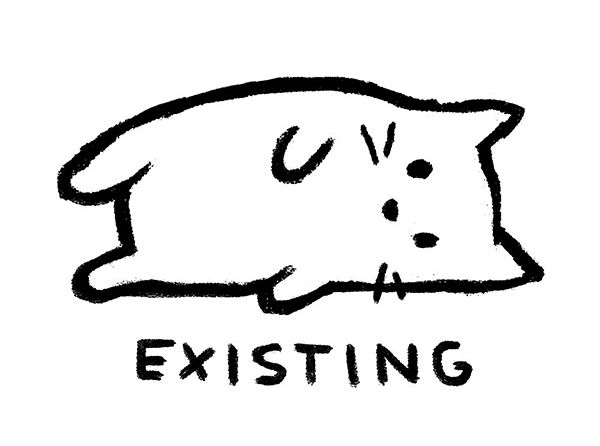
When I made this design I checked if it looked good when colors were reversed:
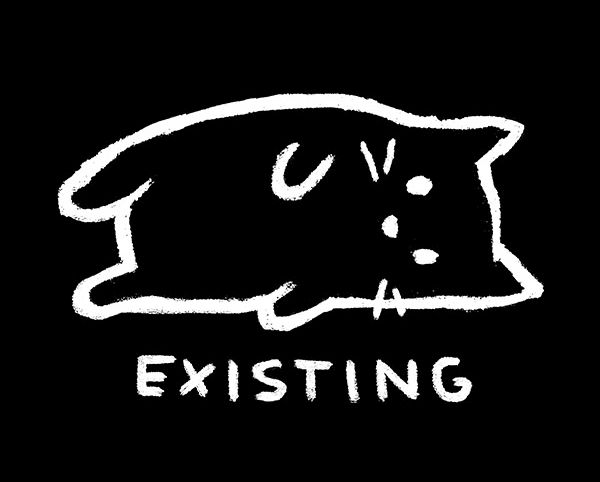
It did look fine. Turns out this design works well both as a white design on a black t-shirt and as a black design on a white t-shirt. So now both versions are for sale in my shop.
If you have a white design and you sell it on a black t-shirt, then invert the colors and check if it looks good too.
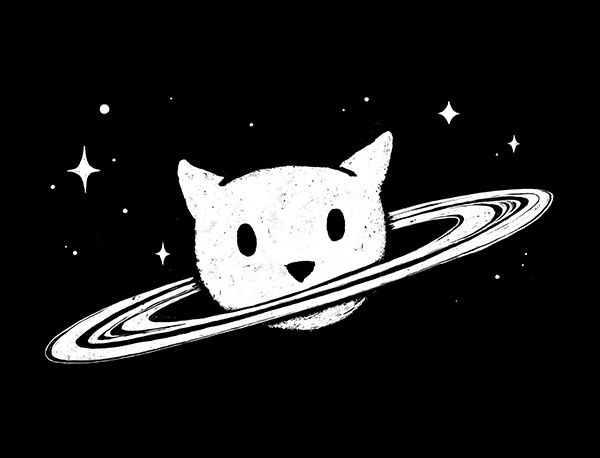
However, don’t just submit every design in two color options, it doesn’t always work. For example, this one looks good on dark but wouldn’t make sense on a white t-shirt:
I never thought I would need a lawyer.
I wrote previously about my most popular design. Unfortunately, a lot of people steal it and sell it in their stores. Reporting all those places where it’s for sale takes a lot of time, and it never brings me any compensation.
This time is going to be different.
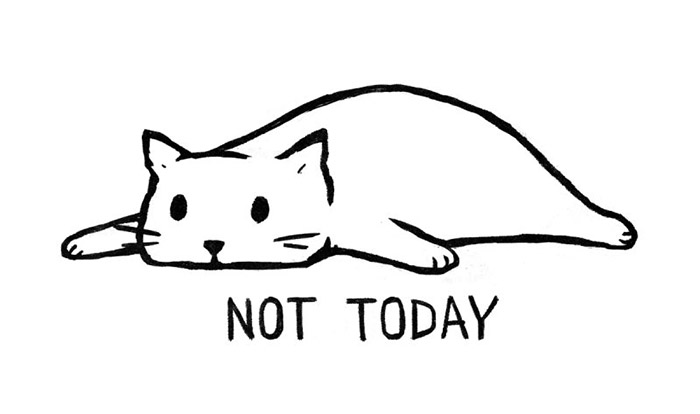
A few weeks ago, I noticed that “Not Today” is, yet again, sold by a lot of sellers. I counted 19 of them! I hired a law firm to represent me. This week all those sellers got requests to remove listings with my design and pay me a small compensation. They have time until December 31st.
In January, we will sue those that will not have complied. I will write more about this as the situation develops. It will be helpful to other artists who want to protect their intellectual property.
It’s an advice for aspiring actors, not for artists, but it applies anyway.
Bryan Cranston is an actor, he played the main character in Breaking Bad. What he says is that you should do your job, as you can, and everything else is out of your control, so you should not even think about it.
His advice reminds me of what Elizabeth Gilbert said, that you should stubbornly continue making your art, even if people ignore or hate what you create.
When you are just starting out, it’s difficult to get noticed. For months no one may even know you exist, and no one buys your designs. Wait it out. Create more designs until, one day, one of them sells. It might be the one you expect the least.
One of my designs has been added to the Threadless store. Yay! I received an email a few hours ago.
Now, what exactly does it mean that a design is added to the Threadless store?
First, what you need to know is that there are two ways to sell designs on Threadless:
My first design that they selected was “Not Today” and it was one of the seven designs selected from the Black and White Design Challenge.
When your design is selected and added to the Threadless store, it means better visibility and a higher chance that someone is going to see it and buy it.
That’s why it’s so important to add all your designs to your shop. The more designs you have, the better chance that one of them is going to be selected. Same with challenges — submit your designs to challenges and you get a chance that Threadless likes them and wants them in their store.
And remember, you never know what is going to be popular, so submit every design. I very nearly deleted one of my best-selling designs because I thought no one was going to want it.
Oh, and one more thing, usually when your design is selected to be added to the Threadless store, you get a $250 gift code to be used in the Threadless store on anything you want.
This is my Galaxy design:
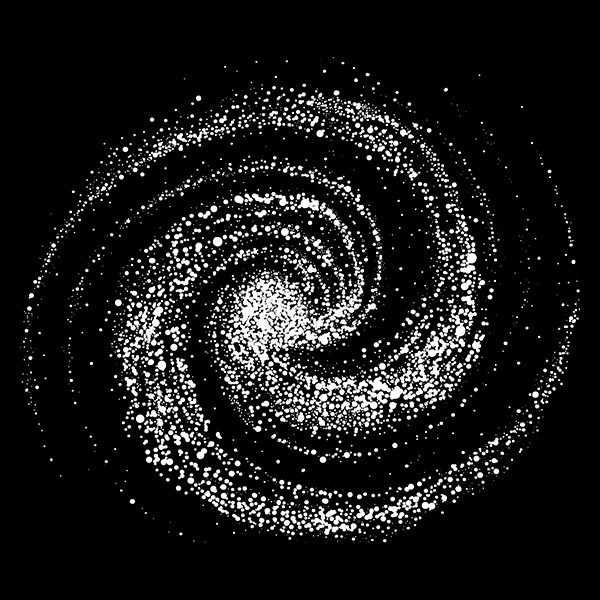
Someone asked me about this design: how it’s made, why it looks kind of ‘silver’. So I am sharing it here in case you find it interesting too.
This is a close up:
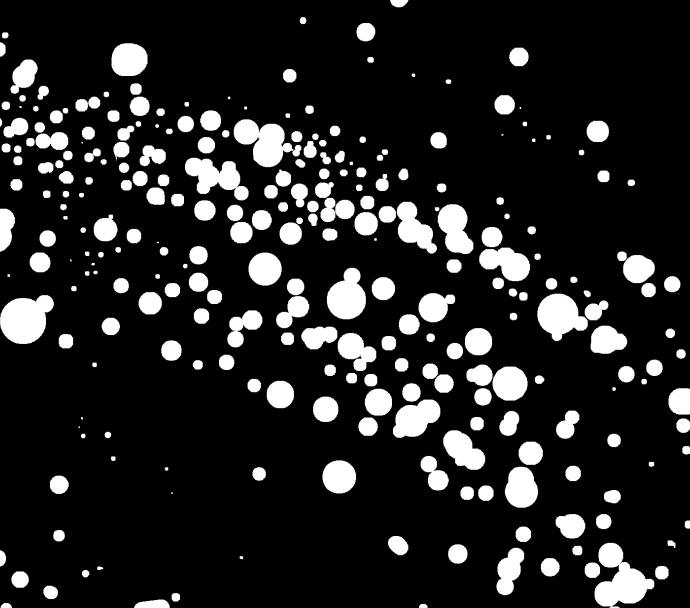
And even more close up:

As you can see, it’s painted with the most basic hard pencil brush in Photoshop.
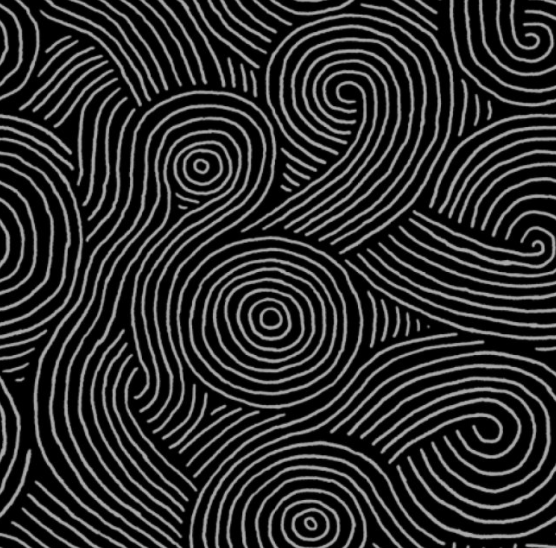
I think it might be interesting to share how much each of my designs has earned. For today I have selected “Zen Maze”.
“Zen Maze” is a moderately successful design, which means the sales are somewhat in the middle among my designs.
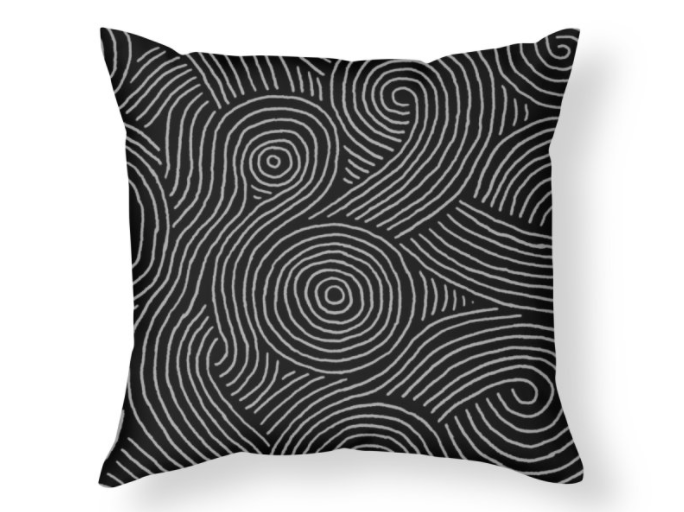
Average Monthly Earnings: $58
Total Earned: $755
It took me 2 hours to make and another 1 hour to modify it for different products.
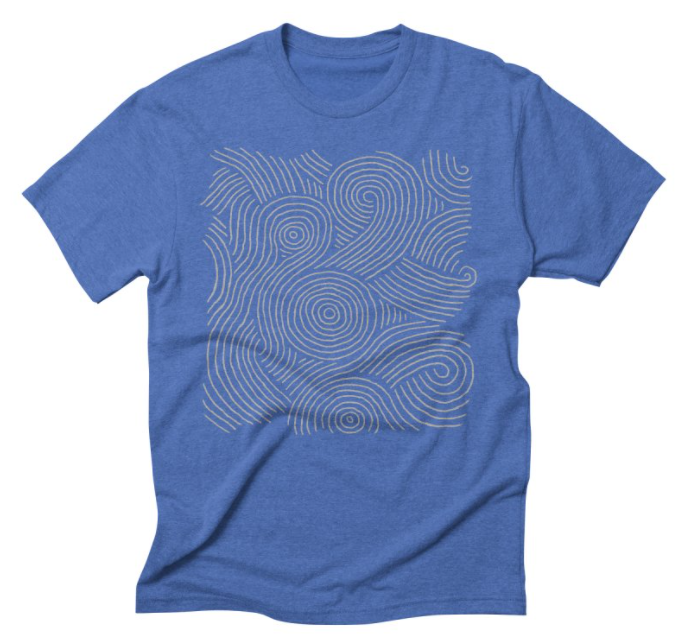
The design on apparel is slightly different than the design on most other items. I didn’t want it to be a regular rectangle when printed on clothes, so I erased some parts and made it irregular:
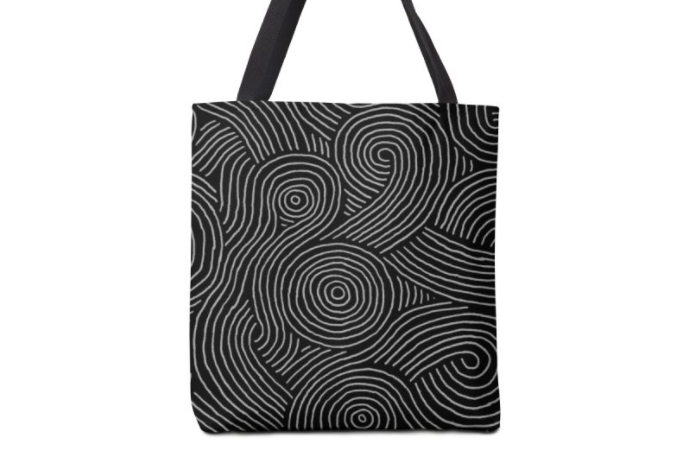
But on other items it looks best when it takes up all the space:
It doesn’t. But we will get to it in a moment. First, let’s see why so many artists think that it is wrong and unfair when there is a site-wide sale and items with their art are sold for a discounted price.
Every few weeks every website that sells clothes runs a sale. And when that happens artists complain about it on Twitter, Facebook, and Reddit. Why? Well, when there is no sale, an artist gets, let’s say, $4 or $7 in royalties from a t-shirt sold with their design, but when there is a sale, an artist gets $1 – $2.
Let’s take Threadless as an example. When there is no sale an artist gets around 25% of the price of an item. But when there is a sale they get only 10%.
Now, you may ask, “Won’t artists make more money when there is a sale since more items are sold?” Yes, they do. More t-shirts are sold so artists make much more money during the sale, even though they get paid less per item.
How is it possible, then, that artist complain about it even if they make more money?
I am going to explain it with a story about “World of Warcraft”, which, on the off chance you don’t know that, is a video game. “World of Warcraft” developers didn’t want players to play too many hours in a row. So they devised a system where players got fewer experience points the longer they played. To get the usual number of experience points players needed to take a break and come back to the game later.
Players hated it. Gaining fewer experience points the longer they played felt like a punishment. To fix that, the developers changed it and implemented a resting mechanic. This means that when players are not playing the game, they gain a resting bonus. Then, when they finally come back to the game, they get more experience points based on the bonus they accumulated. The resting bonus gets used up over time, so after a few hours, players need to take a break again to restore it.
I haven’t played “World of Warcraft” but I heard this story here:
Those are the same systems, of course. The developers themselves even stated that those were the “same numbers seen from the opposite point of view.” It makes such a huge difference to think of something as a reward instead of punishment!
Now, back to designers. Designers think that the base price is the price when the item is not on sale. Then they get 25% of the price. If there’s a sale, designers get only 10%. It feels like a punishment and artists complain in Facebook groups about being treated unfairly.
What’s wrong with this situation and how to make artists see the situation from a different point of view? Can the solution from “World of Warcraft” be used here? Here are two things that any website working with artists should realize:
First, the base price of an item is not the same for a customer and for an artist. The base price for a customer is the full price, so, when there’s a sale, they feel they are rewarded for buying an item for less money: they get the item AND save money.
The base price, in an artist’s mind, should be the discounted price, not the full price. Why? Because the sale period is when artists sell the most items.
Second, don’t hide how much artists earn. Any website that advertises to artists that they make 25% of a price is guilty of making artists feel punished when they inevitably earn only 10% from items on sale.
I love Threadless, I do, I make a lot of money there and amazing people work there. However, look at this table, where Threadless claims that you get $7, or around 25%, per t-shirt:
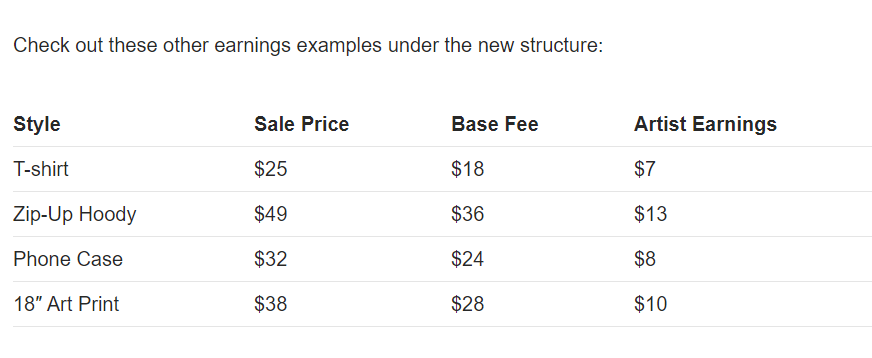
There’s no mention of the 10% profit that an artist makes most of the time when their design is bought.
Of course, it’s not surprising that Threadless advertises the $7 that an artist makes from a $25 t-shirt. Threadless wants to pay artists a lot so that artists publish artwork on their website. And in the case of Threadless and Teepublic and a few other websites, I actually do believe that they want to pay artists fairly and support them.
The table looks nice but overpromises. Artists expect a 25% profit, but instead, when there is a sale, they earn a lot less than they thought they would, and so they feel punished.
How should this table look to make an artist feel rewarded instead of punished? There should be two columns:
Threadless does an amazing thing here, which they don’t advertise at all. When an item is not on sale, they give artists a disproportionate percentage of additional profits. This is an opportunity to make artists feel rewarded.